English
  日本語
日本語  français
  Deutsch
  Español
  italiano
  русский
  português
  العربية
  magyar
  Ελλάδα
inquiry@ljzcncmachining.com


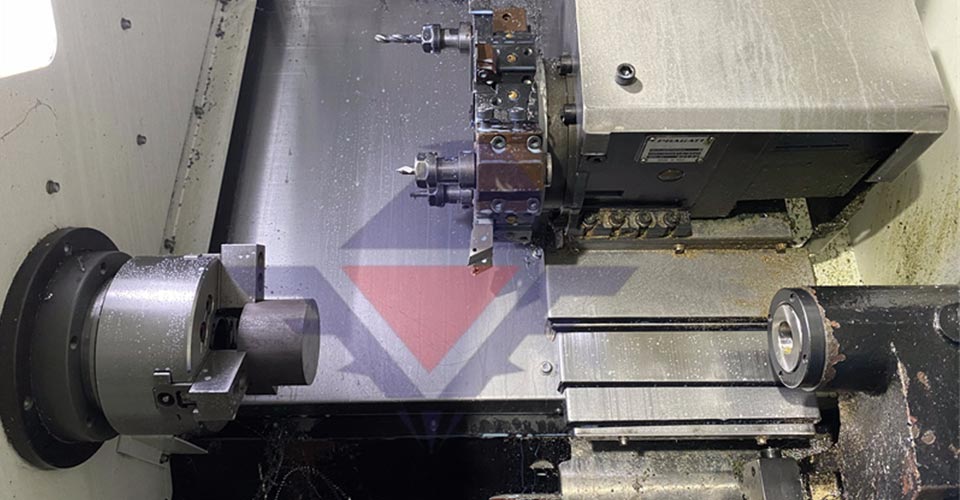
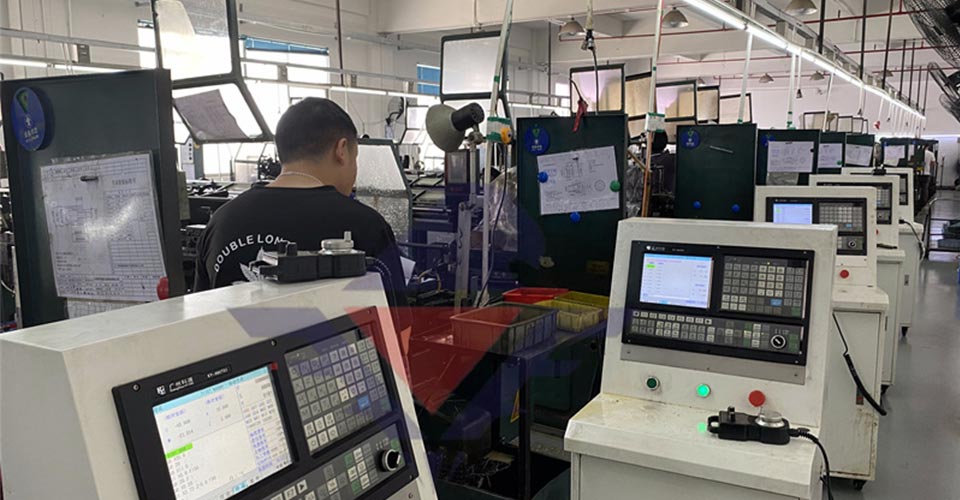
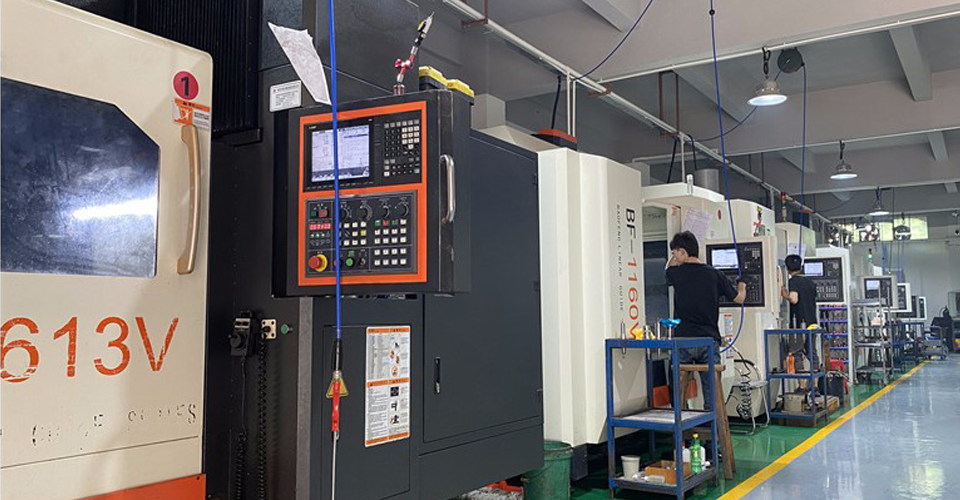
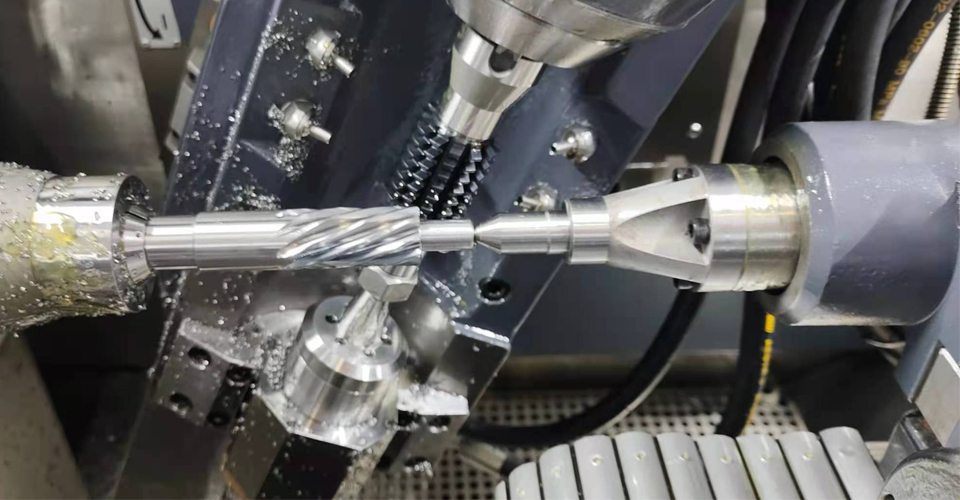
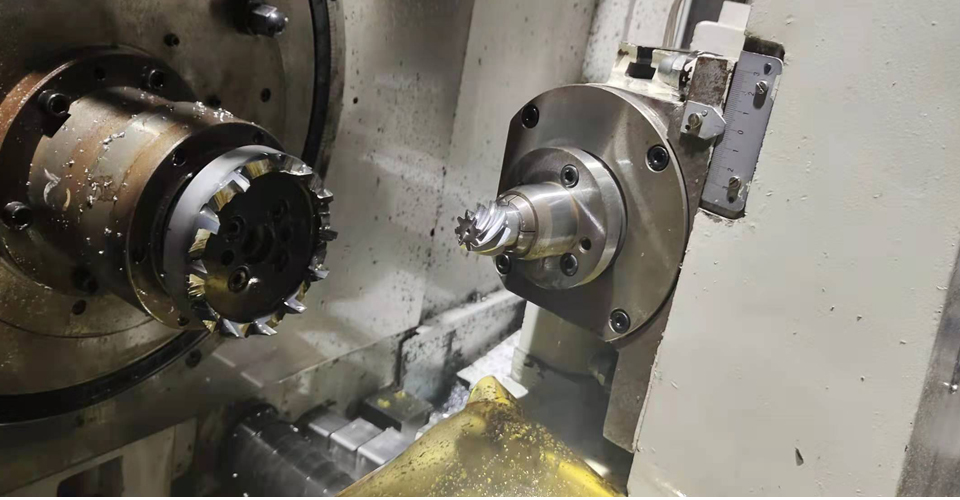
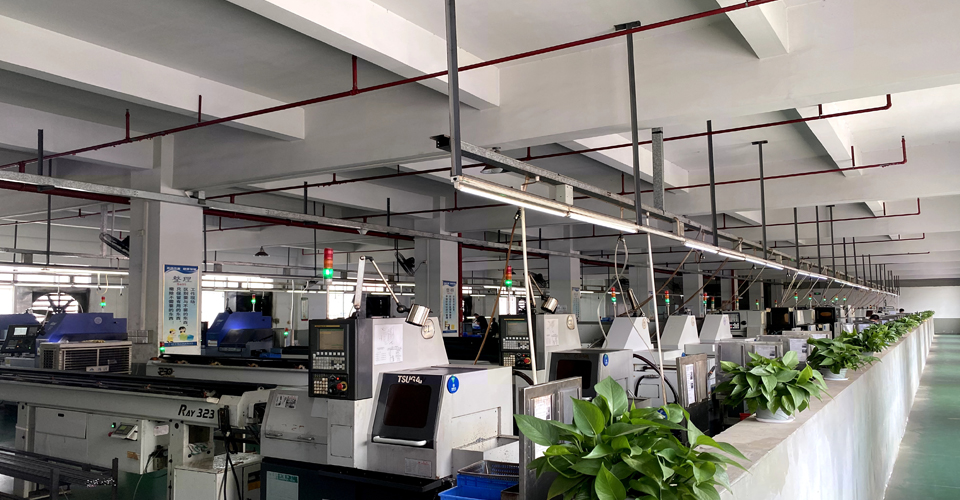
CNC Turning is a machining process primarily used to manufacture cylindrical parts like china cnc turned components, which is a highly precise and demanding subtractive machining process for precision cnc turning suppliers. It involves placing the cutting tool against a turning workpiece to remove materials and give the desired shape, a technique mastered by professional China CNC turning parts suppliers to ensure exceptional precision. Pieces of material (a piece of relatively rigid material, such as metal and plastic) are held in a chuck as a machine tool is fed to the piece to cut away excess material to produce the desired shape with precise diameters and depths.
LJZ CNC, a leading china cnc turned components suppliers, is a professional cnc turning parts supplier dedicated to providing premium turning services China, and we can provide you with relevant high-precision machining services for China CNC turned components backed by the expertise of a specialized China CNC precision turning parts factory. As a reliable turned parts manufacturer china, we combine advanced equipment with skilled engineering to deliver precision components for diverse industrial applications.
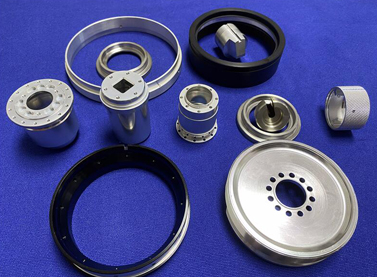
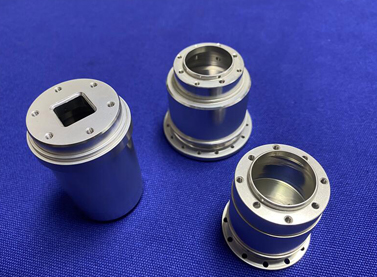
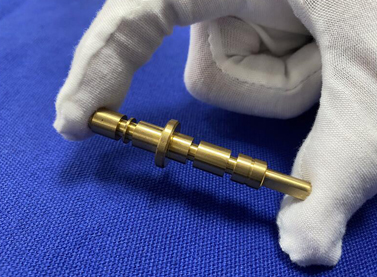
LJZ provides CNC turning services for prototypes, low-volume orders, and repeat production. Our team manufactures shafts, pins, bushings, sleeves, spacers, threaded components, fittings, and other rotational parts from metals and engineering plastics.
Our available operations include external and internal turning, face turning, boring, drilling, knurling, reaming, grooving, threading, hard turning, and tapered turning. Secondary milling can be added when a turned part requires flats, slots, side holes, or other off-axis features.
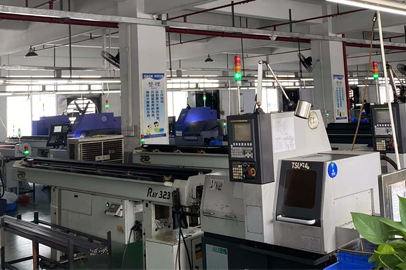
For small, slender, detailed, or high-volume components, LJZ uses Japan STAR Swiss-type machines. Our stated average Swiss CNC production capacity is 1,000,000 pieces per month.
| Capability | Available Support |
| Part types | Shafts, pins, bushings, sleeves, spacers, fittings, and threaded components |
| Operations | Turning, boring, drilling, reaming, grooving, threading, knurling, and tapered turning |
| Materials | Aluminum, stainless steel, steel, brass, copper, titanium, and engineering plastics |
| Production stages | One-off prototypes, low-volume orders, and repeat production |
| Inspection documents | Material reports, FAI, CMM reports, PPAP, FMEA, and customer-specified reports |
Learn more about our CNC Swiss machining capabilities for small and slender components.
The appropriate machining route depends on part geometry, material, tolerance, secondary features, and order quantity. LJZ reviews the complete drawing before selecting conventional turning, Swiss-type machining, or a turning process combined with milling.
| Process | Suitable Part Characteristics | Typical Parts |
| Conventional CNC lathe | Rotational parts with external diameters, internal diameters, shoulders, tapers, grooves, or threads | Bushings, sleeves, spacers, fittings, and general shafts |
| Swiss-type machining | Small, long, slender, detailed, or high-volume components | Precision pins, slender shafts, threaded parts, and small complex components |
| Turning with secondary milling | Turned parts that also require flats, slots, cross holes, or other non-rotational features | Connectors, fittings, and shafts with milled features |
Swiss-type machines support the workpiece close to the cutting area, making this process suitable for long or slender components. The machines can also perform operations such as cross-tapping, slotting, and back drilling.
A conventional lathe may be more suitable when most critical features are concentric with the central axis. If the design includes several off-axis features, LJZ may use CNC milling as a secondary operation.
Final process selection is confirmed after reviewing the 2D drawing, 3D CAD file, material, critical tolerances, and production quantity.
Different types of CNC turned components require different dimensional and inspection priorities. Providing these requirements at the quotation stage helps LJZ evaluate machine selection, process steps, inspection methods, and production feasibility.
| Part Type | Features to Identify on the Drawing | Information Required for Review |
| Shafts | External diameters, shoulders, grooves, threads, concentricity, and runout | Material, length, critical diameters, tolerances, and quantity |
| Pins | Diameter, length, end geometry, chamfers, and grooves | Material, dimensional tolerances, hardness requirements, and quantity |
| Bushings | Internal diameter, external diameter, length, and wall thickness | ID and OD tolerances, material, fit requirements, and quantity |
| Fittings | Internal or external threads, cross holes, grooves, and external profiles | Thread specification, material, finish, tolerances, and quantity |
| Sleeves and spacers | Internal diameter, external diameter, length, and end faces | Material, dimensional tolerances, fit, and inspection requirements |
| Complex turned parts | Multiple diameters, slots, side holes, flats, and back-working features | Complete 2D drawing, 3D CAD file, material, and annual demand |
Parts with most critical features positioned around a central axis are generally suitable for turning. Components with additional slots, flats, or side holes may require secondary milling or Swiss-type machining.
Product photographs can remain below this section. Link the image area to the machined parts gallery rather than adding another promotional paragraph.
One-off rapid prototype part can be created as fast as in one day
Long-term run high volume CNC turning production
ISO 9001 Certified
PPAP and FMEA for automotive clients
Automatic machinery, experienced engineers, and 100% QC assurance
Turning and milling remove material in different ways. The correct process depends on where the critical features are located and how the workpiece must be held.
| Turning | Milling |
| The workpiece rotates while a cutting tool removes material | The cutting tool rotates while the workpiece is held in position |
| Suitable for cylindrical and rotational features | Suitable for flat surfaces, pockets, slots, and non-rotational geometry |
| Common for shafts, pins, bushings, sleeves, and fittings | Common for housings, plates, brackets, and complex profiles |
A component may require both processes. For example, a shaft can be turned to produce its diameters and shoulders, then milled to add flats, slots, or side holes. LJZ reviews the complete part rather than selecting a process from the general shape alone.
For many precision components, tolerances around ±0.01 mm may be achievable. Actual capability depends on the material, dimensions, geometry, wall thickness, feature relationships, and inspection method. Critical diameters, concentricity, runout, roundness, threads, and surface roughness should be identified on the drawing.
Turning is suitable for components with rotational or cylindrical features, including shafts, bushings, pins, sleeves, spacers, threaded components, and fittings. Parts with slots, flats, or side holes may require secondary milling or a combined machining route.
Available materials include aluminum, stainless steel, carbon and alloy steel, brass, copper, titanium, and engineering plastics such as POM, nylon, PEEK, and ABS. Provide the complete material grade when requesting a quotation.
Conventional CNC turning is widely used for general cylindrical parts, while Swiss machining is particularly suitable for small-diameter, long, slender, or highly detailed components. Swiss machines support the workpiece close to the cutting area, which can improve stability during machining. For high-volume precision parts, Swiss machining may also reduce handling by completing multiple features in one machining cycle.
Yes. LJZ supports one-off prototypes, low-volume orders, and repeat production. Prototypes can be used to verify dimensions, fit, material, and design details before production. Lead time is confirmed after the drawing, material, quantity, and secondary processes have been reviewed.
Price depends on material, part size, geometry, machining time, tolerance, quantity, tooling, surface treatment, heat treatment, inspection, and documentation requirements. There is no single standard price for all CNC turning parts.
Please provide a 2D technical drawing, 3D CAD file, material grade, order quantity, critical tolerances, surface roughness, thread specifications, heat treatment, surface finish, inspection documents, and required delivery date. Complete project information allows LJZ to evaluate feasibility, process selection, lead time, and cost more accurately.
 Jun 24 2026
LJZ machines metals and engineering plastics for precision turning projects. Material selection should be based on the required strength, corrosion resistance, weight, wear performance, temperature, electrical properties, dimensional stability, and operating environment.
Material Family: Aluminum, Stainless steel, Carbon and alloy steel, Brass and copper, Titanium, Engineering plastics
Materials Listed by LJZ: Machinable aluminum alloys, Machinable stainless steel grades, Carbon steel and steel alloys, Brass and copper alloys, Machinable titanium alloys, POM, nylon, PEEK, ABS, and other machinable plastics
Available Finishing Examples:
Anodizing, hard anodizing, plating, electrophoresis, polishing, and laser engraving
Passivation, polishing, plating, and laser engraving
Blackening, plating, polishing, QPQ, and heat treatment
Plating, polishing, and laser engraving
Anodizing, polishing, and laser engraving
Finish requirements are reviewed according to the selected plastic and application
Where no individual tolerance is specified, LJZ normally applies DIN ISO 2768-1 fine general tolerances to metal CNC machined parts and DIN ISO 2768-1 medium general tolerances to plastic parts where appropriate.
For many precision turned components, tolerances around ±0.01 mm may be achievable. This is not a universal tolerance for every feature. Actual capability depends on material, part size, geometry, wall thickness, feature relationships, machine selection, and inspection method.
Critical diameters, concentricity, runout, roundness, threads, and surface roughness should be clearly marked on the drawing. LJZ will review these requirements before confirming production.
Use the Material Comparison Guide, CNC Machining Tolerance Guide, and surface finishing options when preparing your project specifications.
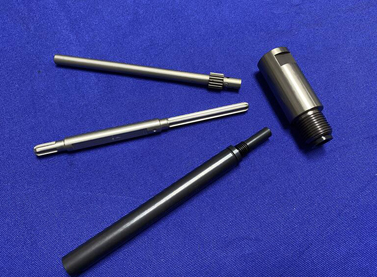
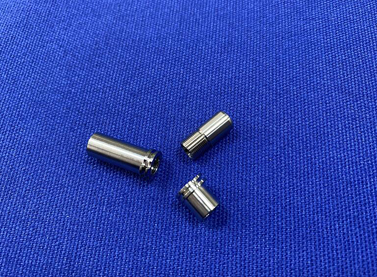
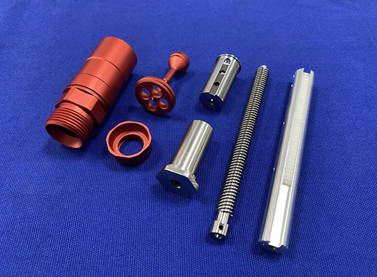
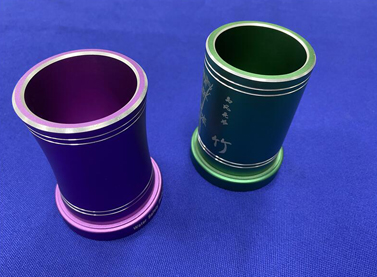
LJZ CNC turning technologies and facilities are designed to meet the strict requirements of industrial customers by offering end-to-end precision CNC turning service. We work with demanding mechanical engineers who come from the following industries: aerospace, automotive, medical devices, tool and die, opticals, consumer products...
As a reputable CNC precision turned components supplier, LJZ CNC provides different kinds of high-quality CNC machining turning parts, such as CNC turned titanium components and CNC turning brass parts, with quite competitive prices and considerate service. Supported by an experienced engineering team and advanced machines, CNC turning products by LJZ have won the trust and recognition of customers.
Related Machining Service
Get in touch with us
We will contact you within 24 hours
We are committed to providing rapid prototyping, CNC machining, Swiss machining, plastic injection molding, gear machining services. Contact us to get more info!
 日本語
日本語